Gazebos & Pergolas
Outdoor Gazebos & Pergolas in Broward, Palm Beach & Miami-Dade, FL
Outdoor living spaces have become an important extension of the modern home. Homeowners throughout South Florida often invest in outdoor structures that provide shade, define gathering areas, and improve the functionality of their backyards. Two of the most popular options are gazebos and pergolas, which can transform patios, gardens, pool areas, and outdoor entertainment spaces into more comfortable environments.
At Salbo Construction, Inc., we design and build outdoor gazebos and pergolas throughout Broward County, Palm Beach County, and Miami-Dade County, FL. Whether you're looking to create a shaded retreat, enhance your poolside area, or establish a focal point in your landscape, understanding the available options can help you plan a successful project. This guide answers common homeowner questions and explains the design and construction process for gazebos and pergolas.
What Is the Difference Between a Gazebo and a Pergola?
Many homeowners use the terms interchangeably, but gazebos and pergolas are distinct outdoor structures that serve different purposes.
Gazebos
A gazebo is a freestanding outdoor structure that typically features a fully covered roof supported by posts or columns. Gazebos provide substantial protection from sun and rain while creating a dedicated outdoor gathering space. They are commonly installed in backyards, parks, and pool areas.
Pergolas
A pergola is an open-air structure consisting of vertical posts supporting overhead beams or slats. While pergolas provide partial shade, they allow sunlight and airflow to pass through. Pergolas are frequently used to define outdoor living areas, patios, walkways, and outdoor kitchens.
Covered Pergolas
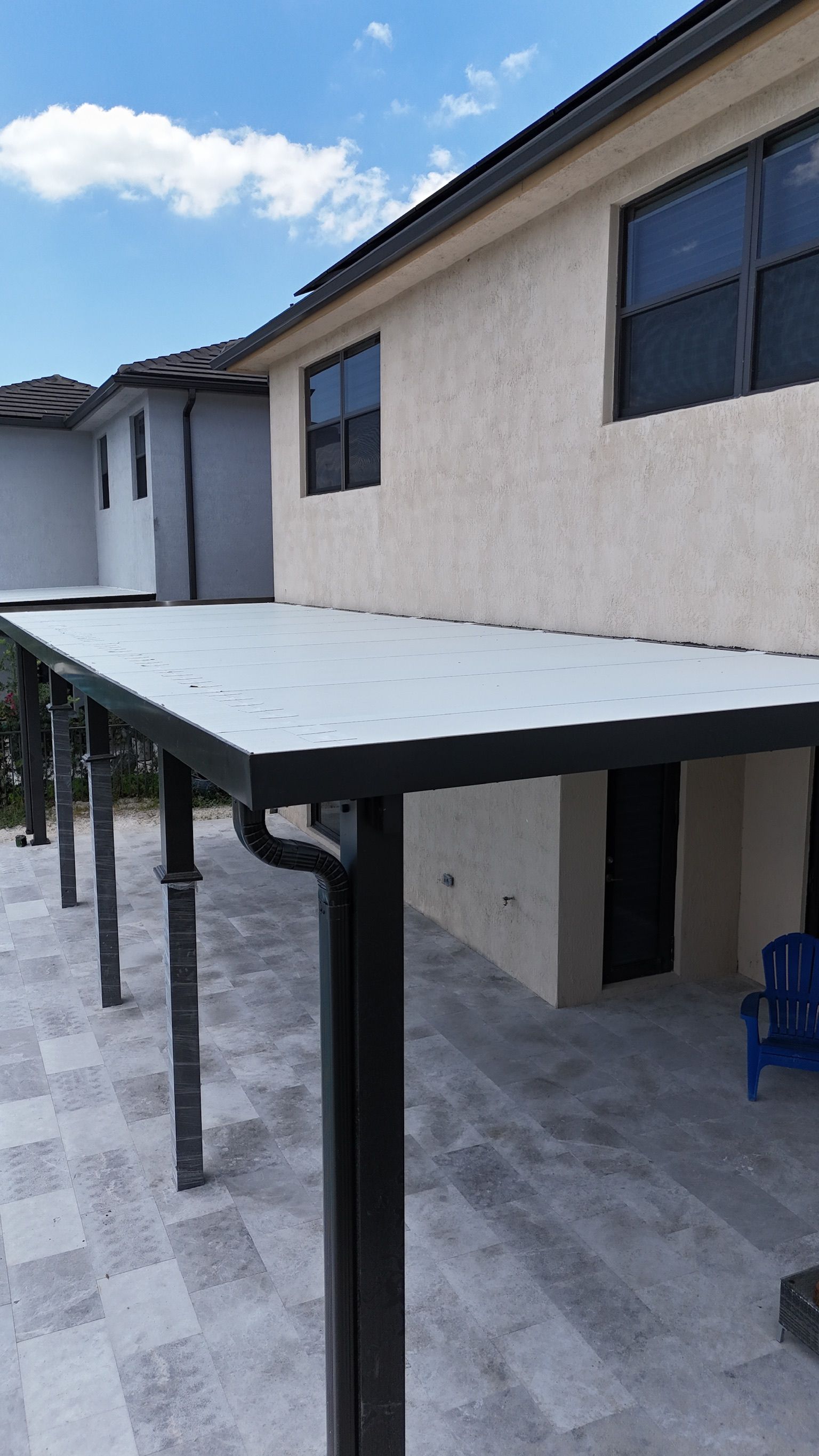
Some homeowners choose pergola designs that incorporate solid roofing materials, retractable canopies, or shade systems. These modifications provide additional protection while maintaining the visual appeal.
Integrated Outdoor Living Structures
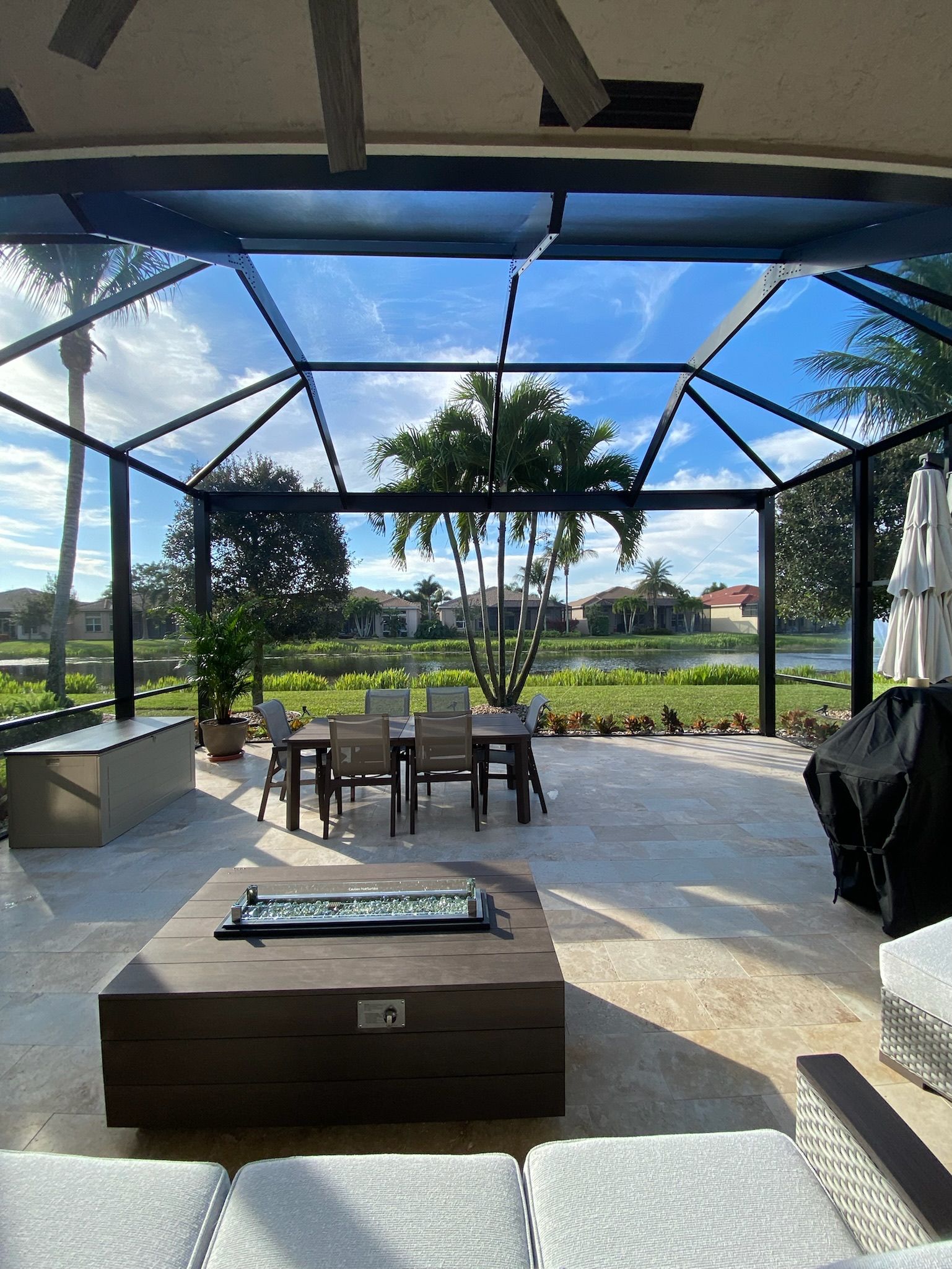
Gazebos and pergolas can be incorporated into larger outdoor living environments that include patios, pools, outdoor kitchens, seating areas, fire features, and landscaping elements.
Popular Gazebo and Pergola Applications
Outdoor structures can serve a variety of purposes depending on the homeowner's needs and property layout.
Poolside Pergolas
Pergolas are commonly installed near swimming pools to provide partial shade and define lounging or seating areas. They help create a resort-style atmosphere while enhancing outdoor functionality.
Backyard Entertainment Spaces
Many homeowners use gazebos and pergolas to create designated areas for entertaining guests, hosting family gatherings, or enjoying outdoor meals.
Garden Structures
Pergolas and gazebos often serve as focal points within landscaped gardens. They can support climbing plants, provide shaded seating, and enhance the visual appeal of outdoor spaces.
Outdoor Dining Areas
Adding a pergola or gazebo over a dining space creates a comfortable environment for outdoor meals while helping define the gathering area.
Outdoor Kitchen Enhancements
Pergolas are frequently incorporated into outdoor kitchen designs to provide shade and architectural interest while creating a cohesive outdoor living space.
Common Questions About Gazebos and Pergolas
Before starting a project, homeowners often have questions regarding permits, materials, design options, and installation requirements.
Do Gazebos and Pergolas Require Permits?
Permit requirements vary depending on the size, location, and design of the structure. In many South Florida municipalities, permits may be required for permanent outdoor structures, particularly when foundations, electrical systems, or roofing components are involved.
How Large Can a Gazebo or Pergola Be?
The size of the structure depends on available space, local zoning regulations, property setbacks, and intended use. Structures can range from small garden accents to large outdoor entertainment areas.
Can These Structures Be Attached to a Home?
Pergolas are often attached to existing homes, patios, or outdoor living spaces. Gazebos are typically freestanding structures but can be strategically positioned near the home to create a seamless outdoor transition.
What Materials Are Commonly Used?
Gazebos and pergolas can be constructed using wood, aluminum, composite materials, masonry elements, or other weather-resistant building products depending on design goals and maintenance preferences.
The Gazebo and Pergola Construction Process
Understanding the construction process helps homeowners prepare for each phase of the project.
01
Design Consultation
The process begins by discussing the intended use of the structure, available space, design preferences, and site conditions. This stage helps establish the project's overall direction.
02
Site Evaluation and Planning
The installation area is assessed to determine grading, drainage, utility locations, accessibility, and any site-specific considerations that may affect construction.
03
Design Development
Project plans are developed based on the desired size, style, materials, and integration with existing outdoor features. Structural considerations are addressed to ensure code compliance and durability.
04
Permitting and Preparation
When required, permit applications are submitted to the appropriate local authorities. Site preparation activities are completed before construction begins.
05
Construction and Installation
Construction may include foundation preparation, post installation, framing, roofing components, finishing details, electrical integration, and final site cleanup.
Outdoor Structure Considerations for South Florida Properties
Gazebos and pergolas in Broward County, Palm Beach County, and Miami-Dade County must be designed to withstand the environmental conditions common throughout South Florida. High humidity, intense sunlight, seasonal storms, and strong wind loads influence material selection and structural design.
Durability is an important factor when planning outdoor structures. Proper anchoring systems, weather-resistant materials, and code-compliant construction methods help ensure long-term performance. Homeowners should also consider how the structure will interact with existing landscaping, patios, pools, outdoor kitchens, and other exterior features. The placement of a gazebo or pergola can significantly impact how the space is used. Factors such as sun exposure, prevailing winds, privacy needs, and property layout should all be evaluated during the planning phase.
Salbo Construction, Inc. provides custom gazebo and pergola construction services throughout Broward, Palm Beach, and Miami-Dade Counties. Whether you're planning a freestanding gazebo, a patio pergola, a poolside structure, or a larger outdoor living enhancement, our team can help create a design that complements your property and outdoor lifestyle.
Contact Salbo Construction, Inc. to discuss your gazebo or pergola project and learn more about available design and construction options.
FAQs About Gazebos & Pergolas
What is the difference between a gazebo and a pergola?
A gazebo typically features a solid roof and provides more protection from weather, while a pergola uses an open-beam design that provides partial shade.
Do pergolas increase outdoor living space?
Pergolas help define outdoor areas and create functional spaces for dining, entertaining, and relaxation.
Are permits required for pergolas in Florida?
Permit requirements vary by municipality and project specifications. Permanent structures often require approval.
Can a gazebo be installed near a swimming pool?
Yes. Gazebos are commonly placed near pools to provide shade, seating, and gathering areas.
What materials are best for outdoor pergolas?
Material selection depends on maintenance preferences, durability requirements, and design objectives.
Can lighting be added to a pergola?
Yes. Many pergolas incorporate lighting systems, ceiling fans, and electrical features.
How long does it take to build a gazebo or pergola?
Construction timelines vary depending on design complexity, permitting requirements, weather conditions, and project size.
Can climbing plants grow on pergolas?
Yes. Pergolas are often used to support climbing plants and decorative landscaping features.
Are gazebos and pergolas suitable for small yards?
Both structures can be customized to fit a variety of property sizes and outdoor layouts.
Can a pergola be attached to my home?
Yes. Many pergolas are designed as attached structures connected to the home's exterior.
Do gazebos provide protection from rain?
Traditional gazebos typically feature solid roofs that provide protection from rain and direct sunlight.
Can a gazebo or pergola increase property appeal?
Outdoor structures can enhance the appearance and functionality of outdoor living spaces while creating additional usable areas.